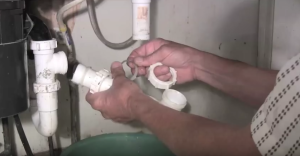
 Sooner or later, you might be forced to call a professional plumber in the Yonkers, NY area. This could be because of a serious leak, a broken toilet, or a flooded kitchen. However, you can greatly reduce this risk by remembering the following DIY plumbing tips.
These are primarily tips for preventing leaks, water loss, and flooding.
Regular Cleaning And Maintenance
One of the easiest and most important things you can do for your plumbing is regularly cleaning your drain pipes to avoid a clogged drain. This is a very simple form of maintenance, doesn’t necessarily require special tools, and can keep your pipes working as they should.
In the kitchen, it can be as simple as pouring a gallon or two of very hot water down the sink. You should do this every few days or at least once a week. One of the most common causes of blockage in the kitchen is fat or grease that has hardened. The hot water will melt the fat and remove any blockage.
You can also use special drain cleaning products in either the kitchen or the bathroom. These are great for removing more serious forms of blockage. Before buying a drain cleaner, research the product and make sure it won’t cause damage to your pipes because some products will. If you need a professional to unclog your drains, check out Plumbing Yonkers NY on Facebook.
Toilet Valve Leaks
Another very common problem homeowners face is losing water via their flush valve. This causes water to continually leak into the toilet bowl. Luckily, there’s a very simple method for testing for this kind of leak.
All you need to do is put a little food coloring or dye in the toilet tank at night before going to sleep. Be sure not to use that toilet throughout the night. The next morning, you just check the toilet bowl for traces of the dye in the water. If you see the dye in the bowl water, then it’s leaking in from the tank when it shouldn’t be.
Replacing toilet valves will usually fix the problem above. If you can’t stop it yourself, then don’t be afraid to call a plumber. You can find top plumbing Yonkers NY contractors here on Google My Maps.
Constantly leaking water can cost a pretty penny after a year and can lead to more severe and expensive problems.
Watch this video to learn more about a trusted plumber in Yonkers: https://www.youtube.com/watch?v=xrFQ6WkOOJo